

 E-Moto
 E-Bikes


 Utility Vehicles
 Caravans
 Touring Coaches
 Travel Trailers
 Mowers for Groundscare
 Robotic Mowers
 Golf Machinery
 Lawn & Turf Care
 Commercial Ride-On Mowers

The cultural significance of gambling in diverse societies
Historical Perspectives on Gambling
Gambling has been an integral part of human civilization for centuries, with its roots tracing back to ancient societies. Historical records reveal that the practice of betting can be found in early civilizations such as the Chinese, Romans, and Greeks, where it was often intertwined with religious and social rituals. For example, dice dating back to 3000 BC have been discovered in ancient Chinese archeological sites, indicating a long-standing connection between gambling and leisure activities. In today’s context, players can easily access platforms that embrace various payment methods, including payid pokies australia, making their gambling experiences more enjoyable.
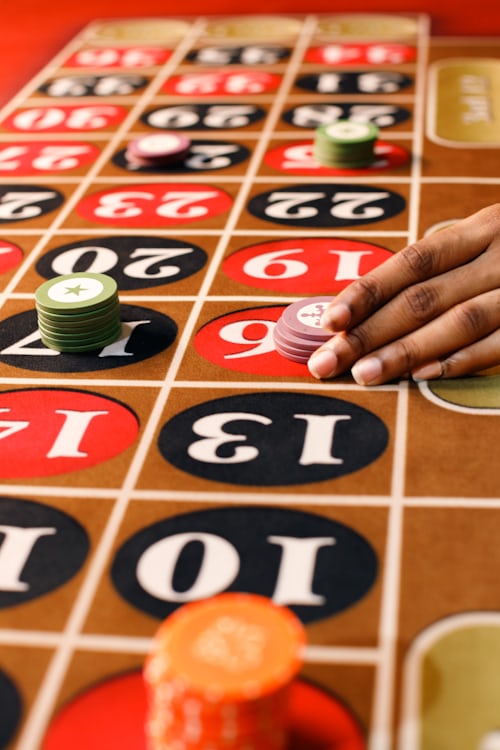
As societies evolved, so did gambling. In many cultures, it transitioned from a simple pastime to a more structured form of entertainment, often accompanied by established rules and rituals. In ancient Rome, for instance, betting on gladiatorial games became a popular way to engage with the action, reflecting the society’s values around competition and spectacle. These historical contexts are essential for understanding how gambling has shaped cultural identities and societal norms throughout the ages.
Moreover, historical narratives reveal that gambling served as a form of social equalizer, allowing individuals from varying social strata to participate in shared experiences. This communal aspect is evident in festivals and public games across different cultures, highlighting gambling’s role in fostering connections and community bonds. As we explore contemporary gambling practices, it is crucial to remember these historical underpinnings that have influenced modern perceptions and the cultural significance of gambling.
Gambling as a Reflection of Cultural Values
Cultural values significantly influence how gambling is perceived and practiced in different societies. For instance, in some cultures, gambling is viewed with disdain and associated with moral and ethical dilemmas, while in others, it is celebrated as a means of entertainment and socialization. In many Indigenous cultures, gambling has deep-rooted connections to traditions and ceremonies, often symbolizing luck, fate, and community cohesion.
In contrast, Western societies tend to embrace gambling as a legitimate form of entertainment and economic activity. The commercialization of gambling, particularly in the United States, has led to the proliferation of casinos and lotteries, creating an environment where risk-taking is often celebrated. This acceptance showcases how gambling can reflect broader cultural attitudes towards risk, luck, and individual agency, revealing intricate ties between societal norms and gambling practices.
Furthermore, the portrayal of gambling in media and literature also reflects cultural values. From classic works to modern films, gambling is often depicted as a thrilling venture that embodies both the potential for great fortune and the specter of loss. This duality resonates with audiences, reinforcing the idea that gambling transcends mere chance, acting as a metaphor for life’s unpredictable nature. Such cultural narratives contribute to the ongoing discussion about the significance of gambling in societies worldwide.
Economic Impact of Gambling in Societies
The economic implications of gambling are profound, with many societies leveraging it as a vital source of revenue. In regions where gambling is legalized, it often contributes significantly to local economies through job creation, tourism, and tax revenue. For example, cities like Las Vegas and Macau have transformed into global gambling hubs, attracting millions of tourists each year and generating substantial economic activity that supports various industries, from hospitality to entertainment.
However, the economic benefits of gambling are not without their challenges. Societies must grapple with the consequences of problem gambling, which can lead to financial ruin for individuals and their families. The social costs associated with gambling addiction can place a burden on healthcare systems and social services, creating a complex landscape where the economic benefits must be weighed against potential societal harm. This tension highlights the need for responsible gambling initiatives to mitigate negative impacts while still promoting economic growth.
Ultimately, the economic impact of gambling reveals its dual nature as both an engine for growth and a source of social concern. Understanding this dynamic is crucial for policymakers and communities as they navigate the complexities of gambling regulations and practices. Balancing economic interests with social responsibility is essential in crafting a sustainable framework that acknowledges gambling’s cultural significance while addressing its potential risks.
Gambling and Social Interaction
Gambling plays a pivotal role in social interaction, often acting as a catalyst for community engagement and bonding. Social gambling events, such as poker nights or betting pools during sporting events, provide individuals with opportunities to connect and share experiences, fostering a sense of camaraderie. These gatherings often transcend mere betting, creating spaces for laughter, competition, and shared narratives that strengthen social ties.
In many cultures, gambling is intertwined with rituals and traditions that further enhance its social significance. For instance, during festivities or holidays, games of chance may serve as communal activities that bring families and friends together. In some Indigenous cultures, traditional gambling games are not only forms of entertainment but also essential practices that reinforce community identity and heritage. This blend of cultural significance and social interaction underscores gambling’s role in shaping communal experiences.
Additionally, the rise of online gambling platforms has transformed how people interact around this activity. Virtual casinos and betting sites have created new avenues for social connection, allowing players to engage with one another from different geographical locations. While this digital shift has broadened the reach of gambling, it raises questions about the quality of social interactions compared to traditional in-person experiences. Understanding these dynamics is crucial for recognizing gambling’s multifaceted role in contemporary social landscapes.

Exploring Online Gambling and Its Cultural Impact
The advent of online gambling has revolutionized the way people engage with this form of entertainment, creating a global community of players. Unlike traditional gambling venues, online platforms offer unparalleled accessibility, allowing individuals to participate in gaming activities from the comfort of their homes. This shift has led to a diverse player base, bringing together people from various cultural backgrounds, each contributing to a rich tapestry of online gambling culture.
Moreover, the online gambling landscape is constantly evolving, with innovations in technology enhancing user experiences. Features such as live dealer games and interactive betting experiences create an immersive environment that mimics the thrill of in-person gambling. This technological advancement also enables platforms to cater to different cultural preferences, offering games and betting options that resonate with specific audiences. This customization showcases how online gambling not only adapts to but also reflects the diverse cultural influences of its global participants.
However, the rise of online gambling also poses challenges regarding regulation and responsible gambling. As players from various cultures come together in virtual spaces, understanding local gambling laws and cultural attitudes toward gambling becomes crucial. Ensuring that online platforms operate ethically while respecting cultural values is vital in promoting a responsible gambling culture that prioritizes player welfare. As the online gambling industry continues to expand, its cultural significance will undoubtedly grow, shaping the future of gaming in society.
