

 E-Moto
 E-Bikes


 Utility Vehicles
 Caravans
 Touring Coaches
 Travel Trailers
 Mowers for Groundscare
 Robotic Mowers
 Golf Machinery
 Lawn & Turf Care
 Commercial Ride-On Mowers

Debunking common gambling myths and misconceptions
The Illusion of Skill in Games of Chance
One prevalent myth about gambling is that certain games of chance can be beaten with strategy and skill. Many players believe that if they study the rules thoroughly or employ complex strategies, they can outsmart the game. However, this notion is misguided, especially in games like slots and roulette, where outcomes are determined entirely by random number generators. No amount of training can change the inherent odds stacked against the player. This misconception often leads gamblers to overspend in hopes of turning luck in their favor.
While skill-based games like poker do involve strategy, other games are purely based on luck. Understanding the difference between these types can save players from emotional and financial turmoil. Recognizing that outcomes are random is crucial; accepting this can lead to a healthier and more responsible approach toward gambling practices. For those looking for a fun spin on games, consider exploring an ice fishing game that adds elements of entertainment without the risks associated with traditional gambling.

The House Always Wins
Another common belief is that the house will always win in the long run, which often deters people from playing. While it is true that casinos have a built-in advantage in most games, this doesn’t mean every player is destined to lose. Many players do win, sometimes significantly, particularly when they employ intelligent betting practices and recognize when to walk away. This myth can create a defeatist mindset that discourages responsible gaming.
This myth labels all gamblers as problem gamblers, which can contribute to the stigma surrounding the activity. In truth, many individuals gamble recreationally and responsibly without developing an addiction. This misconception can deter those who might enjoy gambling in moderation, preventing them from participating in social activities or enjoying their own leisure time.
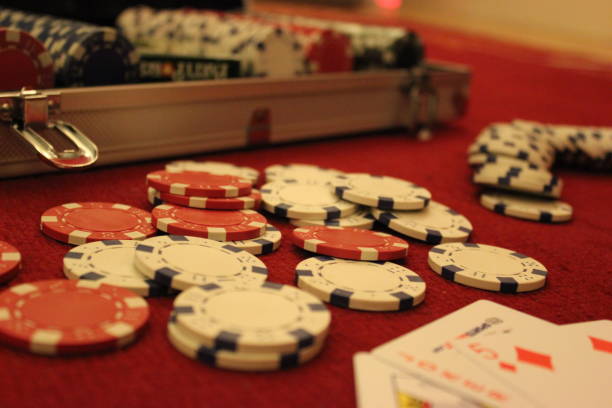
It’s important to distinguish between casual and problematic gambling. Responsible gambling encourages players to set limits and stay aware of their behavior. Education about the signs of problem gambling can help maintain a healthy relationship with games of chance. Efforts to create an understanding of moderation could open avenues for enjoyment rather than exclusion due to social stigma.
The Belief in “Hot” and “Cold” Machines
A commonly held belief among slot players is that machines can be “hot” or “cold,” leading to erroneous claims that some machines are due for a payout. This misconception leads many to believe they can better their odds by waiting for a machine that has not paid out recently. In actuality, each spin on a slot machine is independent and random. The outcome is not influenced by previous results, debunking the myth that waiting for a “due” machine can yield higher returns.
Understanding Gambling for Fun and Awareness
As misconceptions about gambling abound, websites and resources dedicated to educating the public play a crucial role in clarifying these issues. There is a wealth of information available to help dispel myths and promote responsible gaming practices. Recognizing the distinction between fact and fiction enables individuals to enjoy gambling responsibly and within their means.
By fostering an environment of understanding, players can avoid pitfalls associated with misinformation. Education helps transform perceptions of gambling from one of fear and stigma to a more enjoyable community activity. Exploring educational resources can empower players to engage in games responsibly while also enjoying their unique experiences.
